Description Pika Bitekuteku Leaves – 500g | Dried Amaranth Leaves | Amaranthus spp. | For Congolese, Cameroonian & Nigerian Cooking | Also Folong & Efo Tete Central Africa’s beloved green — the leaf that tastes like spinach and feeds a continent ���� Bitekuteku is one of the most consumed leaf vegetables in DR Congo. The amaranth leaves have a composition and flavour quite close to that of spinach. Bitekuteku (DRC) or Folong (Cameroon) is a type of vegetable widely grown in Central Africa. Also known as Folon in Cameroon and Efo Tete in Nigeria — main ingredient to cook the Efo Iro, a dish from Nigeria. My Forking LifeWikipedia This is the green that home cooks across the DRC, Cameroon, Nigeria, and wider Central and West Africa have been sautéing, steaming, and simmering for generations. Simple to prepare, deeply nutritious, and pleasantly mild in flavour — Bitekuteku is the everyday spinach of Central Africa. The Leaf �� Dried Amaranth Leaves (Amaranthus viridis / Amaranthus hybridus) — Bitekuteku (DR Congo) or Folon (Cameroon) is a vegetable that tastes like spinach. There are two amaranth species cultivated in Africa: Amaranthus viridis and Amaranthus hybridus. Tender, slightly earthy, and genuinely mild in flavour — Bitekuteku cooks quickly and pairs beautifully with palm oil, onions, fish, and meat. Jowato Known Across Africa By Many Names ���� Bitekuteku — DR Congo (Lingala) ���� Folong / Folon — Cameroon ���� Efo Tete / Efo Shoko — Nigeria (Yoruba) �� Amaranth Leaves / African Spinach / Green Leaf — English �� Callaloo — Caribbean (similar preparation) Nutritional Highlights ✅ Excellent source of Magnesium, Iron, Copper, Zinc, and Phosphorus ✅ Naturally rich in Vitamins A and C — powerful antioxidants ✅ Rich in Calcium and dietary fibre — contributing to overall health and wellbeing ✅ Good source of plant protein — from whole amaranth leaf ✅ Rich in natural antioxidants — phytonutrients from whole leaf ✅ Naturally vegan — 100% plant-based ✅ Naturally gluten-free ✅ No artificial additives, no preservatives WikipediaWikipedia How to Prepare Dried Bitekuteku Rehydrate dried Bitekuteku leaves by soaking in warm water for 15–20 minutes until softened Drain thoroughly and squeeze out excess water Shred or chop as required for your recipe The leaves are now ready to cook How to Cook ���� Classic Congolese Bitekuteku: The vegetables are first cut, then steamed, before being mixed with other ingredients. The choice of ingredients depends on everyone’s tastes — but mainly you will need onions, meat or fish, chilli, and oil. Fry onions in palm oil, add your choice of smoked fish, beef, or shrimp, season with crayfish and stock cubes, add the rehydrated Bitekuteku leaves and stir well — cook on medium heat for 10–15 minutes until wilted and richly flavoured. Serve with fufu, chikwangue, or bobolo My Forking Life ���� Cameroonian Folong: The Cameroonian dish Folong — fried with smoked fish — is a delicious mix of vegetables, all fried in a pan with beef or shrimp. In other recipes, pistachio or peanut paste is added to the mixture (pistachio folong, peanut folong). Goes perfectly with steamed or fried plantains, manioc, manioc stick, or yam. WikipediaWikipedia ���� Nigerian Efo Riro / Efo Tete Stew: Cook with palm oil, tomatoes, peppers, crayfish, assorted meat, and stockfish for a rich, deeply flavourful Nigerian vegetable stew — serve with pounded yam, eba, or rice Serve With �� Fufu | Pounded Yam | Eba/Garri | Chikwangue | Bobolo | Fried Plantain | Rice | Yam Net Weight: 500g Brand: Pika Ingredient: Dried Amaranth Leaves (Amaranthus spp.) Also known as: Bitekuteku | Folong | Efo Tete | African Spinach | Green Leaf Vegan | Gluten-free | No additives | No preservatives Shipping: Delivered across the UK ���� by Duaba Afro Foods ℹ️ Allergen Information: Contains dried amaranth leaves only. Naturally free from gluten, nuts, soya, and dairy. May contain traces of other allergens during processing — always check the product label before consuming. Preparation note: Always rehydrate in warm water for 15–20 minutes before cooking. Drain thoroughly before adding to the pot. Store in a cool, dry place away from moisture and direct sunlight. Once opened, seal tightly and use within the recommended period.
Q & A
There are no questions yet





 Omega Swiss Eta
 Marsupii Ergonomice
 Other Components
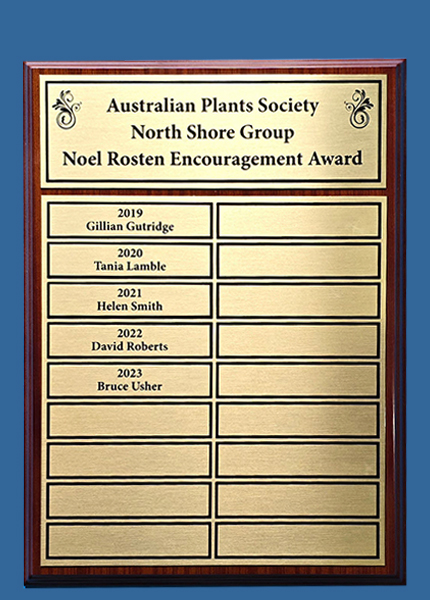 Perpetual Plaques
 Brumby Taps
 Exercise Bikes
 Misc Items
 Desktops & Monitors
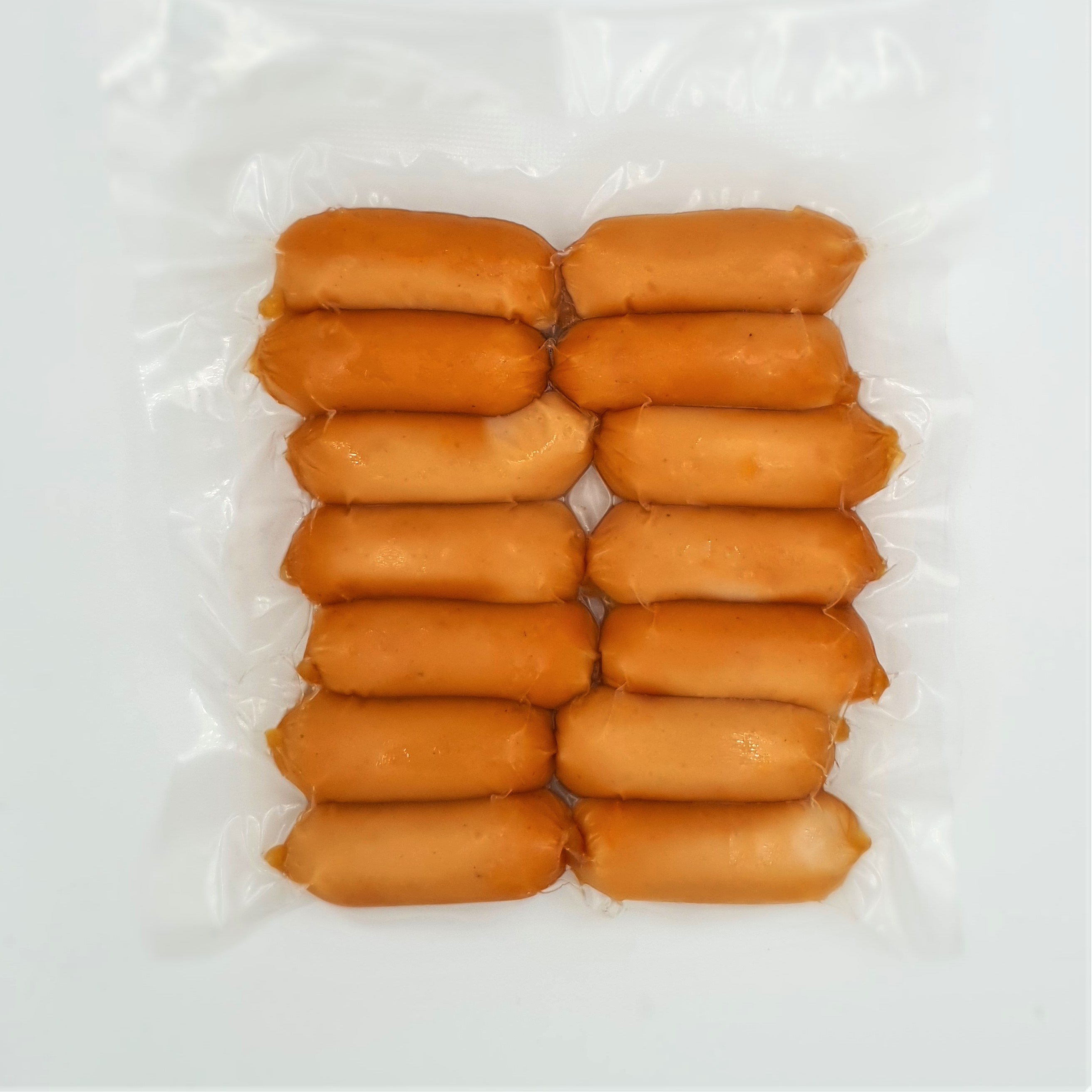 Lunch Box
 Charging Cables
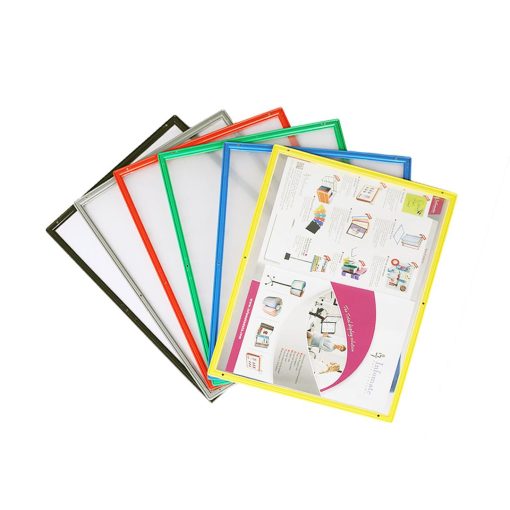 Combo
Combo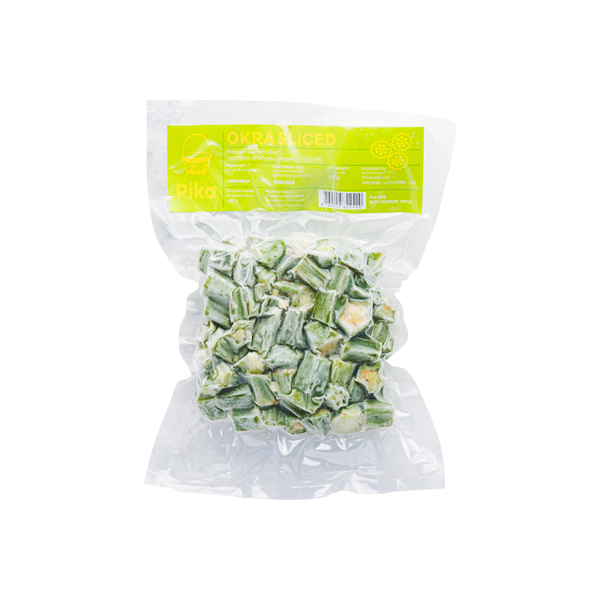 Frozen Vegetables
 Desktops & Monitors
 Front Load
 Footwear For Girls
 Pantaloni Cu Picior